The Hiding Cables and Smart Devices in Home Design Revolution: A Brandon’s Perspective
By Brandon Konarski
Introduction: The Clutter-Free Revolution Begins
As a programmer who spends most of his time optimizing code and systems, I can’t help but apply the same principles to my living space. Just like messy code leads to bugs and inefficiencies, visible cables and poorly integrated smart devices create visual chaos that affects our daily productivity and mental state. The trend of hiding cables and seamlessly integrating smart devices into home design isn’t just about aesthetics—it’s about creating efficient, distraction-free environments that let technology serve us without dominating our spaces.
I’ve been following this trend closely, and from my technical perspective, the solutions available today are impressive. We’re moving beyond the era of entertainment centers with nests of HDMI cables and power strips. Modern homes are being designed with cable management as a core architectural feature, not an afterthought.
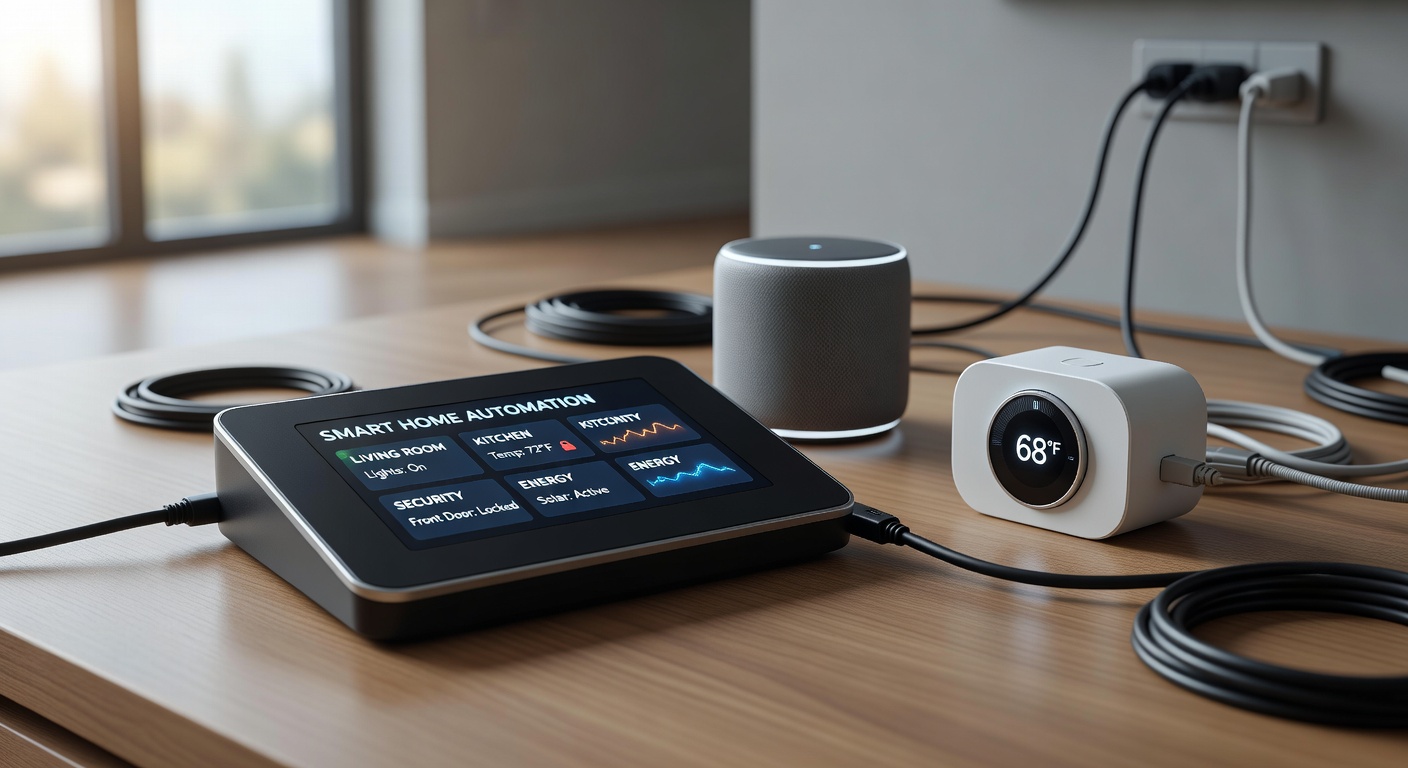
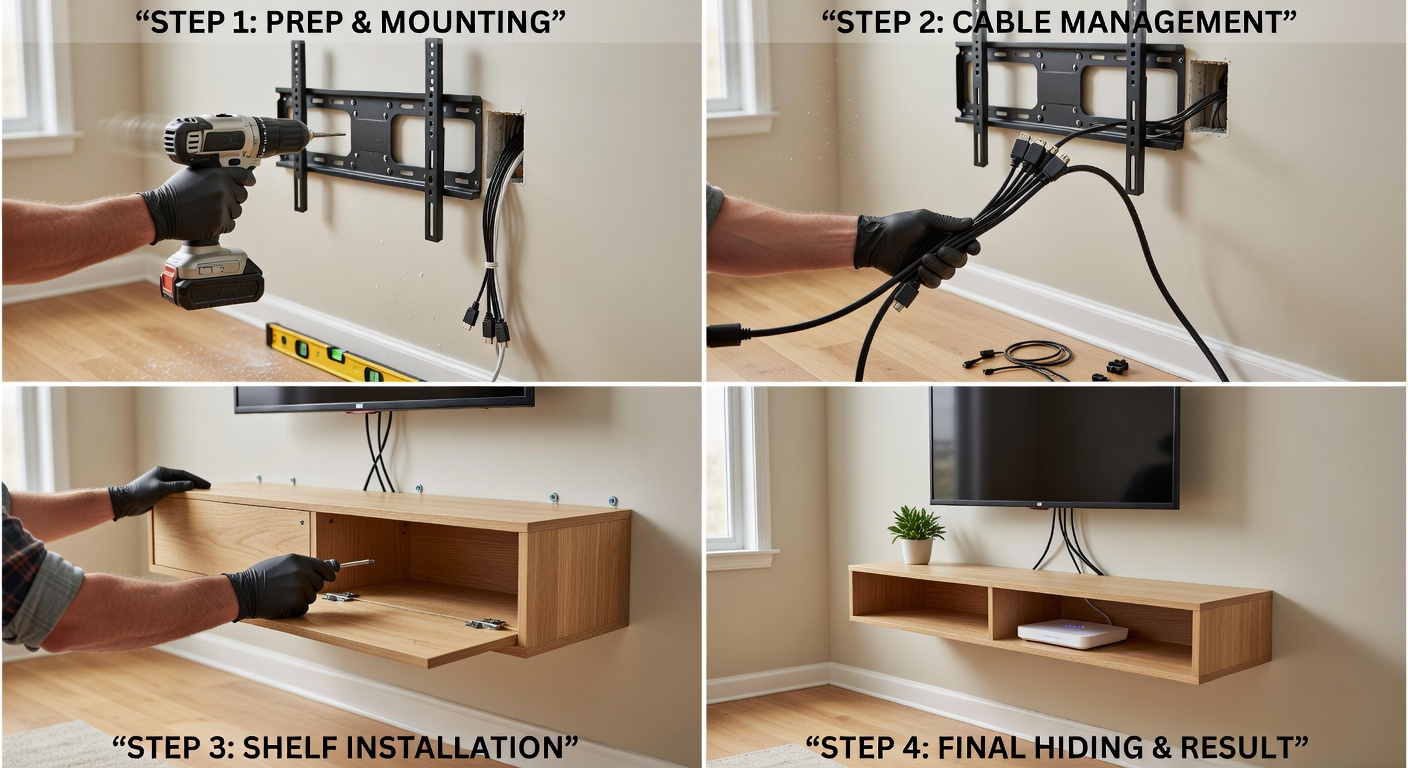
A well-executed DIY cable management solution transforms any living space
The Technical Reality of Cable Management
Why Visible Cables Are a Problem
From an engineering standpoint, exposed cables represent multiple failure points. They’re prone to damage, create dust traps, and can even pose fire hazards when bundled improperly. But beyond the technical issues, there’s the psychological impact. Studies have shown that visual clutter increases cortisol levels—your body’s stress hormone. When I look at a desk with cables snaking everywhere, I see entropy, and as someone who values order, that bothers me deeply.
Modern Solutions: Beyond the Cable Tie
Today’s cable management goes far beyond velcro ties and cable boxes. We’re talking about:
In-wall cable routing: Running cables through walls during construction or renovation, with dedicated conduit systems that allow for future upgrades.
Furniture-integrated solutions: Desks, TV stands, and entertainment centers designed with built-in channels, grommets, and power outlets.
Wireless alternatives: Technologies like Wi-Fi 6E, wireless HDMI, and Bluetooth have eliminated many cable needs entirely.
Under-floor and baseboard systems: Specialized raceways that blend into architectural elements.
The key insight here is that proper cable management should be planned at the design stage, not retrofitted. If you’re building or renovating, now is the time to think about where your cables will live.
Smart Device Integration: The Invisible Home
Moving Beyond the Gadget Aesthetic
Early smart home devices were designed to look futuristic—glowing rings, prominent LED indicators, and bulky plastic casings that screamed “technology product.” This approach has thankfully evolved. The best smart home devices of 2026 are nearly invisible.
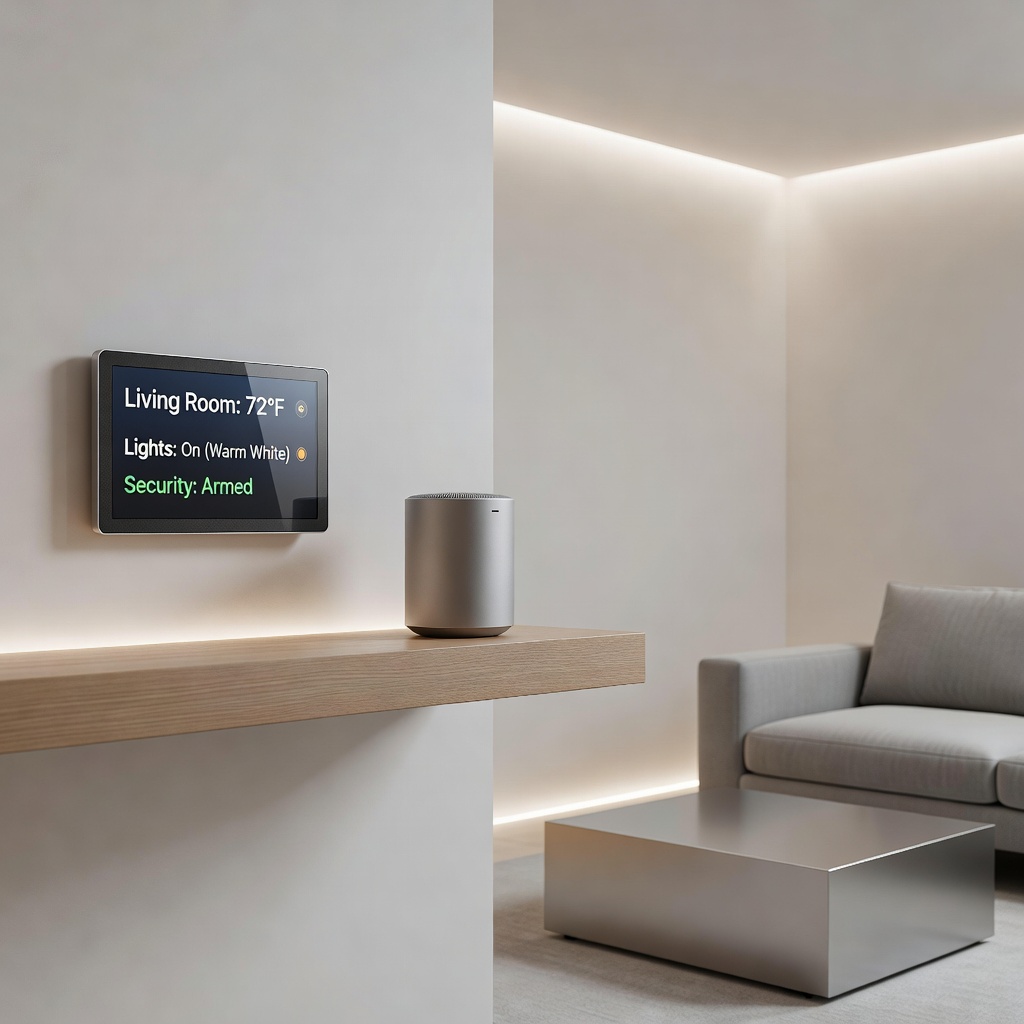
Take smart speakers, for example. Instead of countertop units, we’re now seeing ceiling-mounted speakers that look like standard architectural elements. Smart displays are being replaced by minimalist screens that double as artwork or mirrors when not in use. The technology has matured to the point where it can be subtle.
Modern smart home devices blend seamlessly into interior design
The Role of Standards and Compatibility
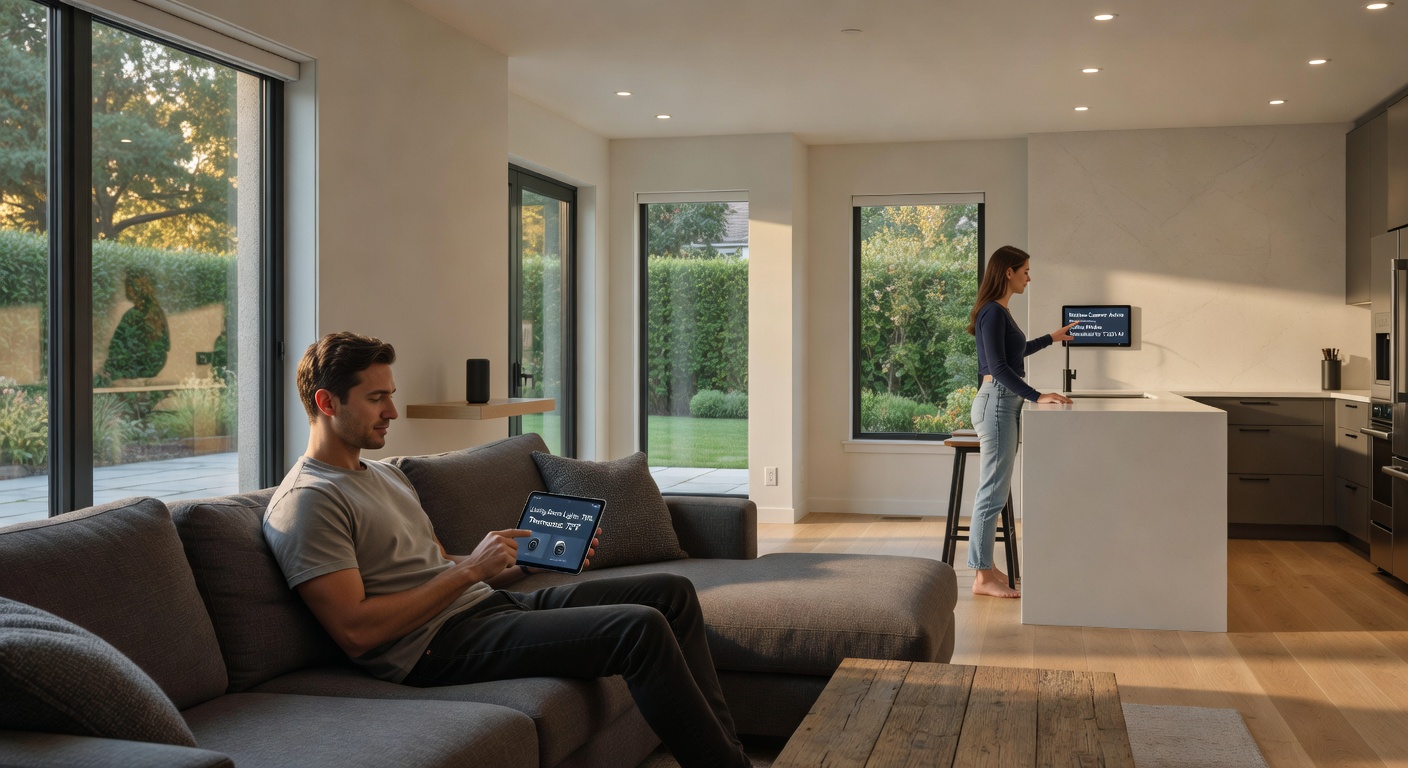
From a programmer’s perspective, the fragmentation of smart home protocols has been frustrating. But we’re finally seeing convergence. Matter protocol adoption has simplified integration, and more manufacturers are designing products that work together out of the box. This matters because it means you can choose devices based on how well they fit your aesthetic, not just technical compatibility.
I’ve been experimenting with various systems in my own setup, and the difference is night and day. A unified ecosystem where lighting, climate control, and security devices communicate seamlessly—and invisibly—isn’t just possible; it’s becoming the standard.
Practical Implementation: Room by Room
The Living Room: Entertainment Center Zero-Visibility
The living room is often the biggest challenge because it’s where we have the most devices: TV, gaming console, streaming box, sound system, and various chargers. My recommended approach:
Wall-mount everything possible: TVs, soundbars, and even gaming consoles can be wall-mounted with proper brackets.
Use a single power source: A recessed outlet behind the TV can power everything through a single, hidden connection.
Optical HDMI cables: These are thinner and more flexible, making routing easier.
Wireless peripherals: Game controllers, keyboards, and remotes should all be wireless and rechargeable.
The Home Office: Productivity Through Simplicity
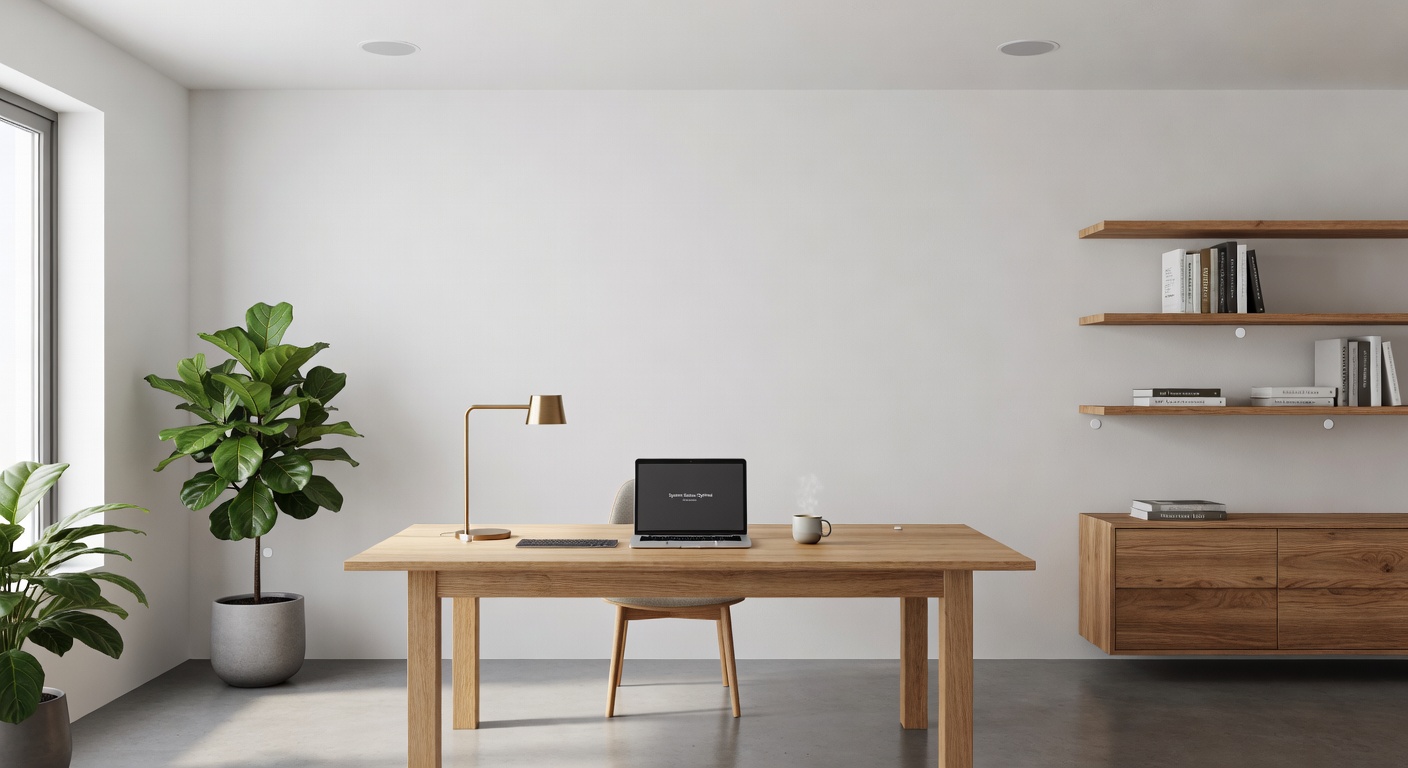
As someone who works remotely, my home office is critical. I’ve implemented a “one cable” solution where my laptop connects to a Thunderbolt dock with a single cable, handling power, displays, and peripherals. The dock itself is hidden in a drawer, with only the necessary cables emerging through grommets.
Smart lighting in the office adjusts based on time of day and task, but the fixtures look like standard recessed lights. The sensors are ceiling-mounted and blend into the smoke detectors. Everything is automated but invisible.
The Kitchen: Appliances Get Smart Quietly
Modern kitchen appliances increasingly include smart features, but the best designs hide these capabilities. A smart refrigerator shouldn’t look like a computer with a cooling function—it should look like a refrigerator that happens to be smart. The same applies to ovens, dishwashers, and even smaller appliances.
The Future: Truly Invisible Technology
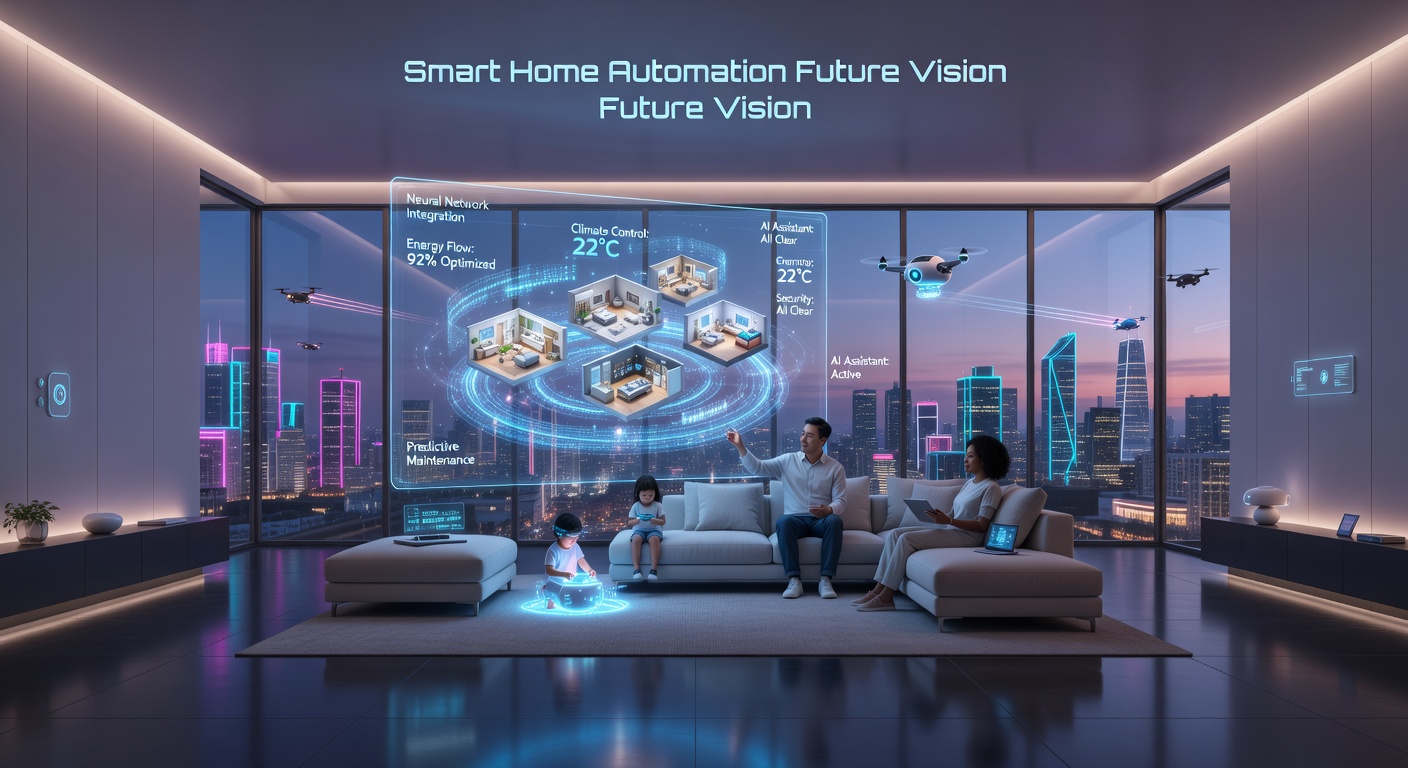
We’re approaching a threshold where technology will become truly ambient. Research into wireless power transmission, already demonstrated in limited applications, could eliminate charging cables entirely. Transparent OLED displays will turn windows into screens when needed. Advanced materials will allow sensors to be embedded in walls, furniture, and even paint.
From my perspective as a technologist, this is the correct trajectory. Technology should be an extension of our will, not a constant visual reminder of its presence. The best interface is often no interface at all.
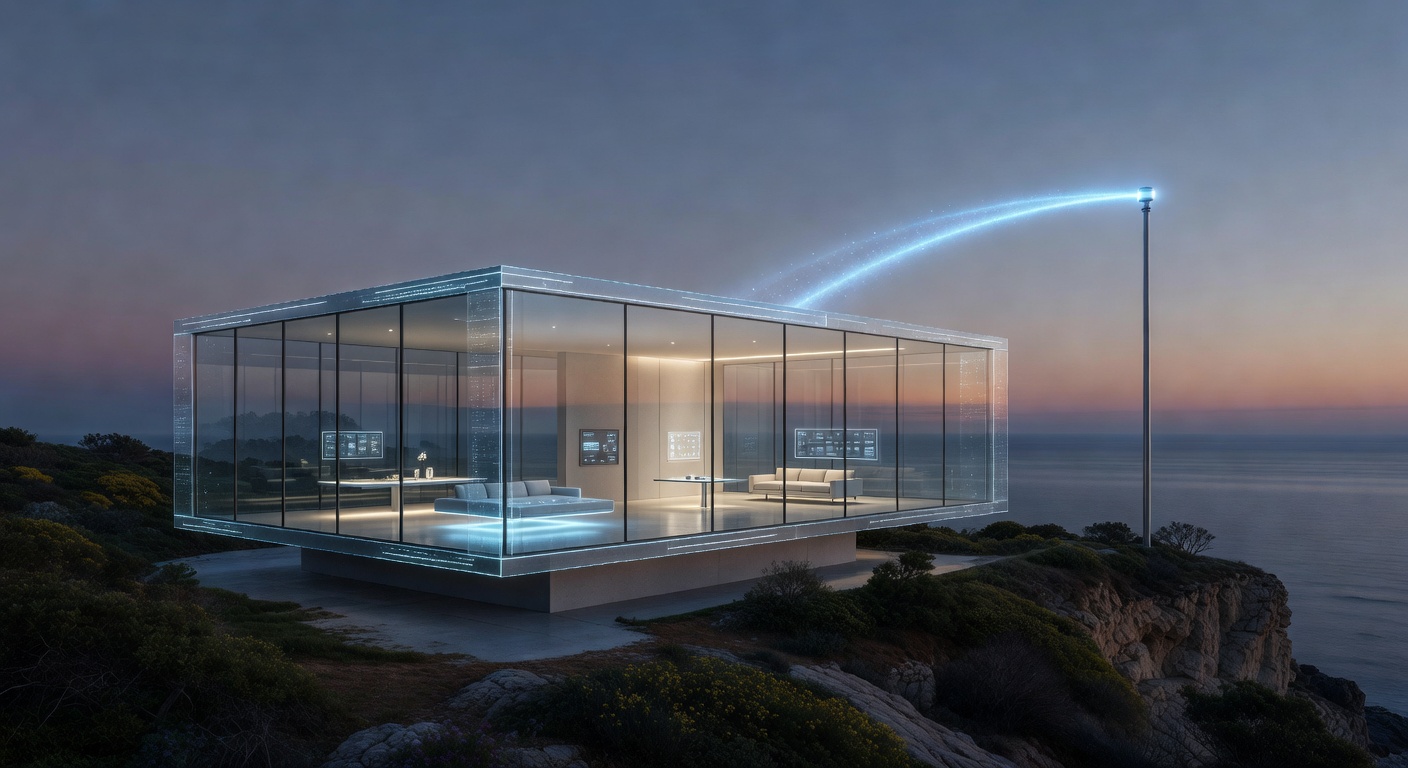
The future of home design: technology that serves without being seen
Getting Started: A Brandon-Approved Action Plan
If you’re convinced by the philosophy but unsure where to start, here’s my practical advice:
Phase 1: Assessment and Planning (Week 1)
Inventory all devices and their cable requirements
Identify pain points and visual clutter zones
Research wireless alternatives for your most-used devices
Measure spaces and plan cable routes
Phase 2: Quick Wins (Week 2-3)
Replace obvious cables with wireless alternatives where possible
Implement cable ties and management boxes for remaining visible cables
Adjust furniture placement to hide power strips and adapters
Phase 3: Strategic Upgrades (Ongoing)
Invest in furniture with built-in cable management
Consider in-wall solutions for permanent installations
Upgrade to smart devices that prioritize subtle design
Implement a unified smart home platform for seamless control
Related Reading
If you’re interested in smart home technology and efficient living, check out these related articles:
The movement toward hidden cables and integrated smart devices isn’t about hiding technology out of shame—it’s about respecting the primary purpose of our living spaces. Our homes should be sanctuaries, not server rooms. By embracing these design principles, we create environments where technology enhances our lives without demanding constant attention.
As someone who works with complex systems daily, I find profound satisfaction in a well-designed, clutter-free space. It’s the physical equivalent of clean, well-documented code: elegant, efficient, and a pleasure to experience. The revolution in home design is here, and it’s refreshingly invisible.
Brandon Konarski is a freelance programmer and smart home enthusiast who believes that the best technology is the kind you don’t notice. He writes about efficiency, automation, and the intersection of code and daily life.
Exhaling Excellence: Perfecting Bathroom Ventilation for a Fresher Home
As we go about our daily lives, it’s easy to overlook one of the most critical components of our homes: ventilation in bathrooms. A well-designed bathroom ventilation system can make all the difference between a space that feels fresh and clean, and one that’s stale and musty. Continue reading How to improve bathroom ventilation for a fresher home
The Ultimate Kitchen Faucet Guide: Expert Advice for Your Dream Kitchen
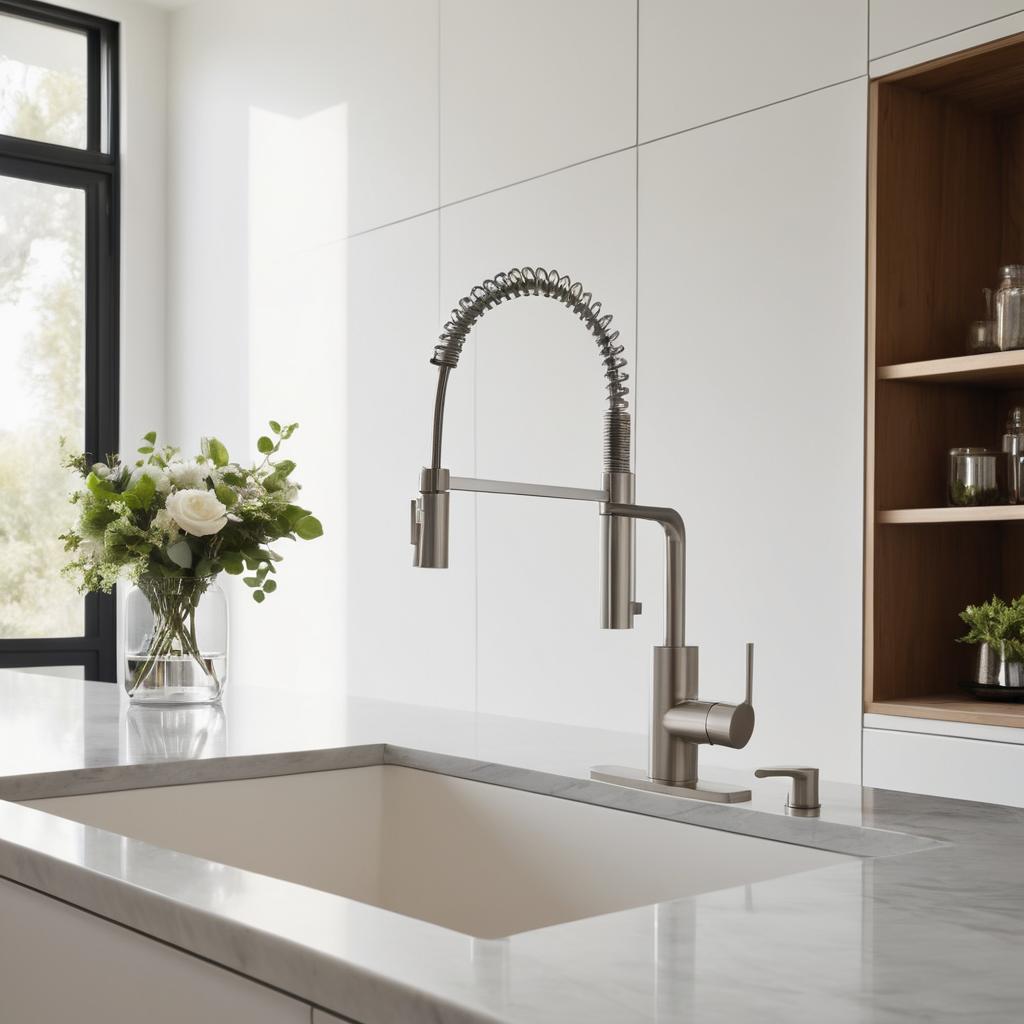
As any homeowner or renter can attest, a kitchen faucet is one of the most essential components in any culinary space. Not only does it provide access to clean water for cooking and cleaning, but it also adds a touch of style and functionality to the overall aesthetic of your kitchen. Continue reading Kitchen faucet guide – expert advice
Sink or Float: Uncovering the Hidden Secrets Between Memory Foam and Latex Mattresses
As we drift off to sleep each night, our mattresses are hard at work supporting us through the various stages of the sleep cycle. But have you ever stopped to think about what’s really going on beneath the surface? Continue reading Differences between memory foam and latex mattresses
Total Cost of Cleaning: Lifespan and Maintenance Costs of Robotic Vacuum Cleaners
As the world becomes increasingly automated, the demand for cleaning robots has skyrocketed. With their sleek designs and advanced navigation systems, these devices have become a staple in many households. Continue reading Maintenance costs of robotic vacuum cleaners
Air Purifier Showdown: HEPA vs Activated Carbon Filtration Technologies
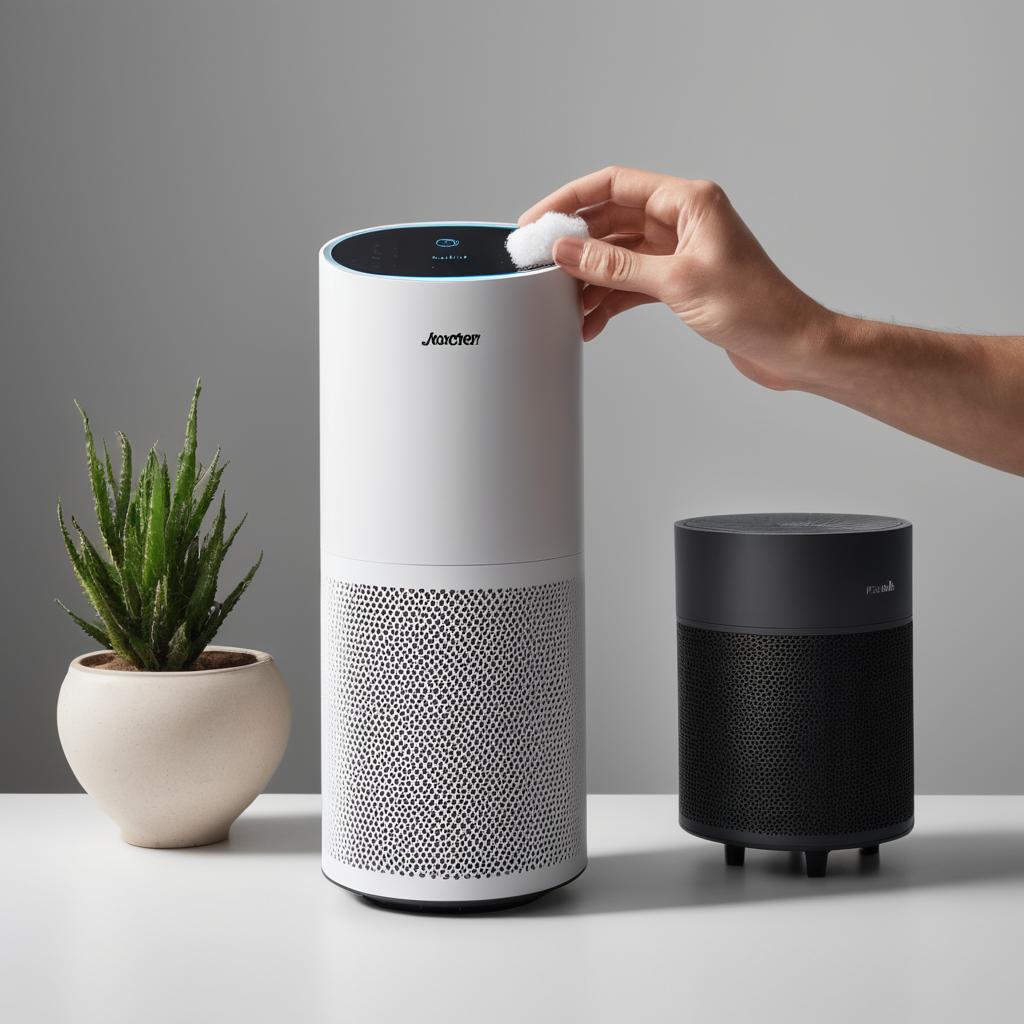
As the world becomes increasingly aware of the importance of indoor air quality, the demand for effective air purifiers has skyrocketed. With so many options available on the market, it can be overwhelming to choose the right one. Continue reading Carbon filtration technologies
Sparkling Dishes Guaranteed: Mastering Dishwasher Maintenance and Bacteria Removal Techniques
As we go about our daily lives, we often take for granted the humble dishwasher that sits in our kitchen, working tirelessly behind the scenes to keep our dishes clean and hygienic. However, like any other appliance, a dishwasher requires regular maintenance to function at its best, and neglecting it can lead to a buildup of bacteria and grime that can compromise food safety and even damage your appliances. Continue reading Dishwashers maintenance and bacteria removal techniques














Ah, the moment I opened the box on Castle St, Cardiff CF10 1XD, a warmth settled over me like the…
I'm so sorry your car was stolen it sounds like a nightmare, but let’s take a moment to appreciate how…
You bought what I can only assume was a cursed appliance masquerading as a toaster a thing that glows faintly…
Ah, yes Trinity’s 3-star review of the Bosch MCM3500MGB. Because obviously a quasar’s gas density and a blender’s shear force…
Ah, Amir, your glowing review of the Severin KG 2392 reads like a love letter to a toaster that’s been…