Economic Uncertainty and Tech Turmoil: A Perfect Storm for Home Appliances
As the global economy teeters on the brink of uncertainty, consumers are growing increasingly cautious about their spending habits. The latest developments in the tech industry, led by Elon Musk’s recent antics, have added fuel to the fire, leaving experts wondering whether the perfect storm is brewing for home appliances.
In recent weeks, investors have been bracing themselves for a decline in consumer confidence, following the Federal Reserve’s surprise interest rate cut and China’s stimulus measures. The US stock market has seen a mixed day, with investors digesting the impact of these events on the economy. While some analysts predict a rebound in consumer spending, others warn that the economic uncertainty could lead to decreased demand for home appliances.
The latest statistics suggest that consumers are becoming increasingly cautious about spending their money on big-ticket items like home appliances. According to reports, consumer confidence saw its largest decline in over three years, with the Conference Board’s index falling to 98.7 in September. This trend is likely to continue if economic uncertainty persists, leading to decreased demand for these products and a negative impact on the overall economy.
Meanwhile, Elon Musk’s actions have sent shockwaves through the tech industry, sparking concerns about data privacy and security. As mentioned earlier, Musk has been under regulatory scrutiny after skipping a court-ordered appearance in an investigation related to his takeover of Twitter. This could have implications for Apple, which has been touting its new iPhone 16 as “the first iPhone built for Apple Intelligence.”
If consumers are hesitant to buy the new device due to concerns about AI features and data privacy, it could impact sales of other home appliances that rely on AI technology. In fact, according to reports, Vice President Kamala Harris has a 56.3% chance of winning the next presidential election, while Donald Trump trails behind with a 43.7% chance. This suggests that consumers may be increasingly concerned about data privacy and security, which could lead to decreased demand for home appliances that rely on AI technology.
The impact of economic uncertainty and tech turmoil on consumer spending is likely to be far-reaching. If consumers become increasingly cautious about spending their money, it could lead to a negative impact on the overall economy. This, in turn, could have devastating consequences for businesses that rely heavily on consumer spending, including those that manufacture home appliances.
In conclusion, economic uncertainty and tech turmoil are likely to have an impact on consumer spending and, in turn, affect sales of home appliances. As consumers become increasingly cautious about their spending habits, businesses must adapt quickly to changing market conditions. Whether the perfect storm is brewing for home appliances remains to be seen, but one thing is certain – the economic uncertainty and tech turmoil will continue to shape the future of consumer spending.
The Impact on Supply Chains
The impact of economic uncertainty and tech turmoil on supply chains is likely to be significant. If consumers become increasingly cautious about spending their money, it could lead to decreased demand for home appliances. This, in turn, could cause manufacturers to adjust their production levels, leading to shortages or increased prices for certain products.
In fact, according to reports, the global economy is facing a “perfect storm” of challenges, including economic uncertainty, trade tensions, and supply chain disruptions. These factors are likely to exacerbate existing problems in the home appliance industry, making it even more challenging for businesses to adapt to changing market conditions.
The Impact on Small Businesses
Small businesses that rely heavily on consumer spending are likely to be disproportionately affected by economic uncertainty and tech turmoil. If consumers become increasingly cautious about spending their money, it could lead to decreased demand for home appliances, making it difficult for small businesses to stay afloat.
In fact, according to reports, many small businesses are already feeling the pinch of economic uncertainty. With limited resources and expertise, these businesses may struggle to adapt quickly to changing market conditions, making them even more vulnerable to the negative impacts of economic uncertainty and tech turmoil.
The Impact on Employment
The impact of economic uncertainty and tech turmoil on employment is likely to be significant. If consumers become increasingly cautious about spending their money, it could lead to decreased demand for home appliances, causing manufacturers to adjust their production levels and lay off employees.
In fact, according to reports, the US labor market has already begun to feel the effects of economic uncertainty. With many businesses adjusting their staffing levels in response to changing market conditions, job losses are likely to be widespread if economic uncertainty persists.
Conclusion
Economic uncertainty and tech turmoil are likely to have an impact on consumer spending and, in turn, affect sales of home appliances. As consumers become increasingly cautious about their spending habits, businesses must adapt quickly to changing market conditions. Whether the perfect storm is brewing for home appliances remains to be seen, but one thing is certain – the economic uncertainty and tech turmoil will continue to shape the future of consumer spending.
As we look to the future, it’s clear that the impact of economic uncertainty and tech turmoil on consumer spending will be far-reaching. With many businesses struggling to adapt quickly to changing market conditions, job losses are likely to be widespread if economic uncertainty persists.
In conclusion, economic uncertainty and tech turmoil are a perfect storm for home appliances. As consumers become increasingly cautious about their spending habits, businesses must adapt quickly to changing market conditions to avoid being left behind.
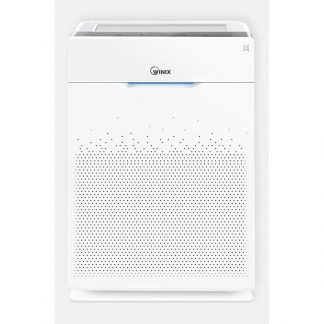
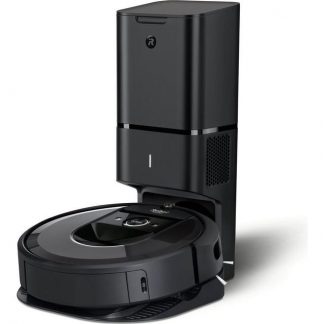
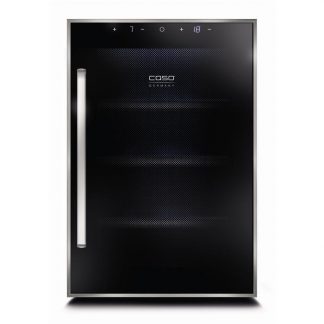


Congratulations to the author for this excellent piece on how economic uncertainty and tech turmoil are affecting consumer spending and sales of home appliances. As we reflect on the recent developments, including the red flags that were missed or dismissed when Harrods was bought, it’s clear that consumers are becoming increasingly cautious about their spending habits, which could lead to a perfect storm for home appliance manufacturers.
David is delusional if he thinks people can’t afford their own homes highlights societal priorities gone wrong, it’s just basic supply and demand at play. David, when did you last pay rent or mortgage, or do you live on cloud cuckoo land?
And Weston, I’m still waiting for Audrey to explain what she means by the “perfect storm” of economic uncertainty and tech turmoil being linked to climate change or some other unknown factor. Care to enlighten me, Audrey? What’s your crystal ball telling you?
I’m sorry but I don’t know.
The Blackrock investment in Automattic’s markdown by 10% might be a sign of the impending economic downturn affecting consumer spending on home appliances. Do you think this could lead to an increase in demand for energy-efficient and sustainable home solutions?
Oh man, I have to respectfully disagree with Jordan here, because let’s face it, we’re living in a world where the likes of Neil Gaiman are being called out for their dark pasts, and yet we’re still fixated on the minutiae of economic downturns? I mean, what about the bigger picture – isn’t it time we started questioning our values as consumers? With so many of us waking up to the reality that our favorite authors and celebrities can be total monsters in private, shouldn’t we be demanding more from the companies we invest in too?
This article perfectly highlights the complex interplay between economic uncertainty and technological advancements in shaping consumer behavior. As someone who has worked closely with manufacturers of home appliances, I can attest to the fact that these changes have already led to decreased demand for certain products. The question is, how will businesses adapt to this new reality? Will they find ways to innovate and remain competitive, or will they succumb to the pressures of economic uncertainty? One thing is certain – the future of consumer spending is uncertain, and it’s up to us to navigate these uncharted waters with optimism and resilience.
‘the most difficult thing I have ever experienced was my divorce from Melinda.’ The parallels between his regret and our current economic uncertainty are unsettling. Just as Gates’ marriage crumbled under the weight of uncertainty, so too does consumer confidence falter in the face of economic turmoil. As we teeter on the brink of a perfect storm, I wonder: will home appliance manufacturers be able to weather this tempest, or will they succumb to the same devastating consequences that Gates now regrets?