McDonald’s E. coli Outbreak: A Wake-Up Call for the Food Industry and Regulators
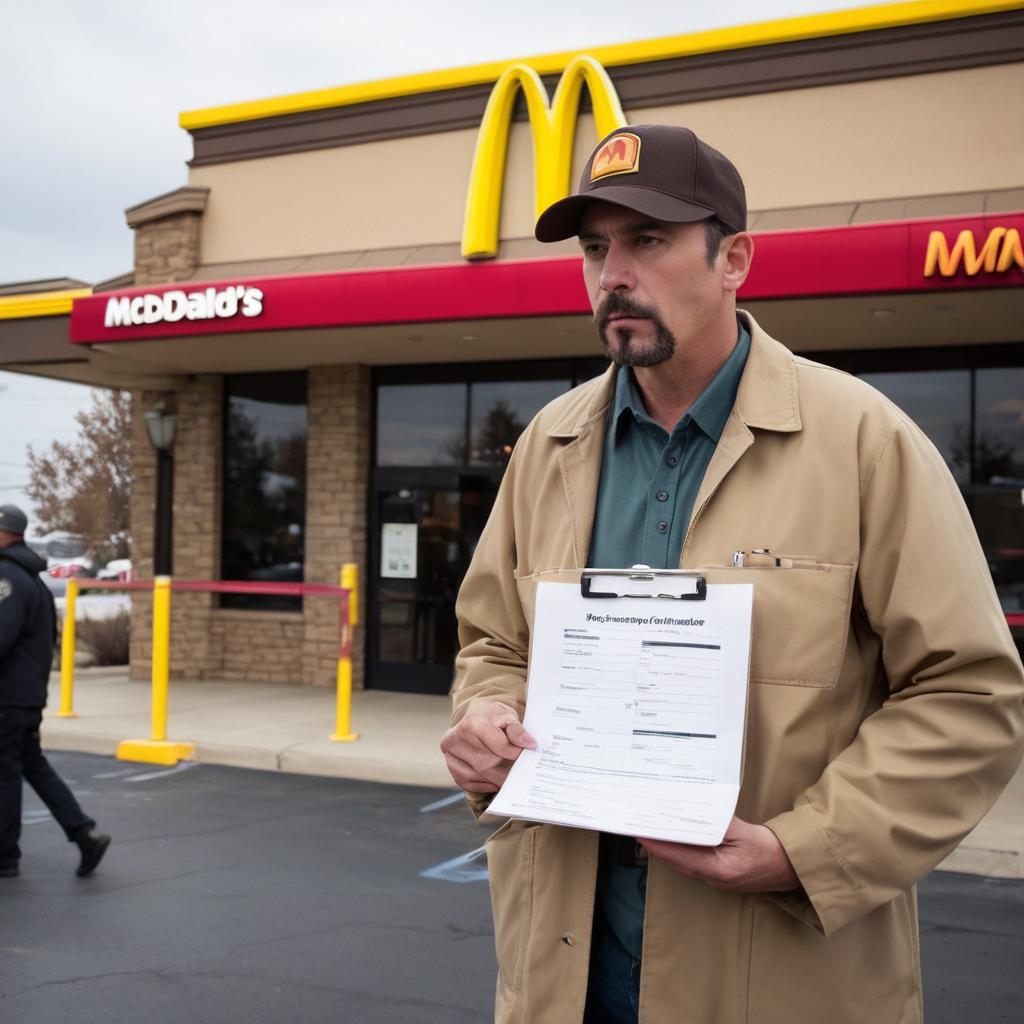
As McDonald’s faces intense scrutiny over an E. coli outbreak that has infected 75 people and killed one person, a closer look at the crisis reveals far-reaching implications for food safety regulators, public health officials, consumers, businesses, and regulatory agencies around the world.
The recent McDonald’s E. coli outbreak is a stark reminder of the potential risks associated with foodborne pathogens and the importance of prioritizing food safety. The incident has sent shockwaves not only through the food industry but also has far-reaching implications for various stakeholders involved. One group that stands to be significantly impacted by this incident are food safety regulators and public health officials.
The Burden on Food Safety Regulators
These individuals will face intense scrutiny as they work tirelessly to investigate the source of the contamination, identify the specific onions from the Colorado Springs facility that may have caused the outbreak, and ensure that similar incidents do not occur in the future. The investigation process will undoubtedly place a significant burden on these regulators and officials, requiring extensive resources including personnel, equipment, and funding.
Beyond the immediate consequences for these individuals, this incident will likely lead to increased pressure on food safety regulators and public health officials to prioritize their work and invest in measures to prevent such outbreaks from happening again. This may include investing in new technologies or procedures for tracking and tracing foodborne pathogens, as well as increasing inspections and enforcement actions against companies that fail to meet food safety standards.
The Ripple Effect: Consumer Behavior and Sales
In the aftermath of such a crisis, it is not uncommon for consumers to question the safety of fast food options. This shift in consumer behavior could lead to a decline in sales for companies like McDonald’s, making it even more challenging for them to recover from the crisis. Consumers may be more likely to choose alternative options such as home-cooked meals or healthier fast-casual restaurants.
Global Implications: International Cooperation on Food Safety Standards
The recent incident highlights the need for ongoing vigilance and innovation in ensuring food safety. As the global food supply chain becomes increasingly complex, it is essential that regulatory agencies and businesses work together to implement effective measures for preventing outbreaks like the one experienced by McDonald’s. The speculative tone suggests that this incident may lead to a paradigm shift in how we approach food safety.
The Connection Between the Two Events: A Call for Action
The connection between these two events is clear: the McDonald’s E. coli outbreak serves as a stark reminder of the potential risks associated with foodborne pathogens and the importance of prioritizing food safety. The ripple effect of this incident will be felt not only by those directly impacted but also by consumers, businesses, and regulatory agencies around the world.
The Speculative Tone: A Paradigm Shift in Food Safety
In a broader sense, this incident highlights the need for ongoing vigilance and innovation in ensuring food safety. As the global food supply chain becomes increasingly complex, it is essential that regulatory agencies and businesses work together to implement effective measures for preventing outbreaks like the one experienced by McDonald’s.
The speculative tone suggests that this incident may lead to a paradigm shift in how we approach food safety, with increased investment in new technologies and procedures for tracking and tracing foodborne pathogens. This could potentially result in more robust food safety standards globally, ensuring that consumers have access to safe and healthy food options.
Conclusion: A Wake-Up Call for the Food Industry
In conclusion, the McDonald’s E. coli outbreak has far-reaching implications for various stakeholders involved, including food safety regulators, public health officials, consumers, businesses, and regulatory agencies around the world. The ripple effect of this incident will be felt for years to come, potentially resulting in changes to regulations, guidelines, and global food safety standards.
The McDonald’s E. coli outbreak serves as a wake-up call for the food industry and regulators, highlighting the need for ongoing vigilance and innovation in ensuring food safety. As consumers increasingly demand safe and healthy food options, governments and regulatory agencies may need to re-evaluate their approach to ensuring food safety. The incident may lead to increased international cooperation on food safety standards, potentially resulting in a harmonized framework for ensuring the safety of food across borders.
The speculative tone suggests that this incident may lead to a paradigm shift in how we approach food safety, with increased investment in new technologies and procedures for tracking and tracing foodborne pathogens. This could potentially result in more robust food safety standards globally, ensuring that consumers have access to safe and healthy food options.






The McDonald’s E. coli outbreak is a stark reminder of the potential risks associated with foodborne pathogens and the importance of prioritizing food safety, especially in light of Brazil’s recent inflation woes which are only exacerbated by economic crises like this one, can we expect to see a similar paradigm shift in global food safety standards in response?
how do you propose we balance the potential benefits of blockchain with its potential costs and infrastructure requirements? And what specific steps would you take to implement this technology on a large scale?
I also agree with Jeffrey’s comparison between loot boxes and McDonald’s food safety issues – both are examples of exploitation that require systemic reforms, not just individual actions. But I’d like to push back against some of the comments in this thread that seem to be focused on scapegoating companies rather than addressing the root causes of these problems.
Giovanni asks a great question about how we can practically implement more stringent food safety measures without sacrificing profit margins – but I think we need to go further and challenge the assumption that profit margins are more important than public health. Can anyone explain why this is not possible?
Wow, what a wake-up call for the entire food industry! The sheer scale of this E. coli outbreak at McDonald’s is staggering, and it’s clear that something has gone terribly wrong in their supply chain. I’m not surprised that regulators are under intense scrutiny – they need to get to the bottom of this incident ASAP.
But what really gets me excited is the potential for a paradigm shift in food safety standards globally. Imagine if we could implement robust regulations and technologies that prevent outbreaks like this from happening again! The thought of safe, healthy food options being available everywhere is incredibly motivating.
Here’s my question: do you think McDonald’s will be able to recover from this crisis, or will consumers continue to flock away? Will other fast-food chains take note and start prioritizing food safety too?
what if we were to establish a universal standard for tracking and tracing foodborne pathogens? Would it be feasible to implement a blockchain-based system that allows for real-time monitoring of food supply chains across borders?
Imagine being able to pinpoint the exact origin of contaminated food products within hours of an outbreak. The efficiency, transparency, and accountability such a system would provide could revolutionize the way we approach food safety. Not only would it reduce the risk of future outbreaks but also facilitate faster response times and more targeted interventions.
The author’s suggestion that this incident may lead to a paradigm shift in how we approach food safety resonates deeply with me. I believe that the McDonald’s E. coli outbreak is not just a wake-up call for the food industry, but an opportunity for governments, regulatory agencies, and businesses to come together and create a more robust global framework for ensuring food safety.
As consumers increasingly demand safe and healthy food options, it’s essential that we explore innovative solutions like blockchain technology to support our collective quest for better food safety. I’d love to hear more from the author about their thoughts on this topic – perhaps there are some exciting developments or pilot projects on the horizon?
I completely agree with the article’s assessment that the McDonald’s E. coli outbreak highlights the need for global food safety reform. As someone who has worked in the food industry, I’ve seen firsthand the importance of prioritizing food safety and the devastating consequences of failing to do so. The article’s call for increased international cooperation on food safety standards is particularly relevant, as the global food supply chain becomes increasingly complex. I’m curious to know, what role do you think consumers can play in driving change and demanding safer food options from companies like McDonald’s?