
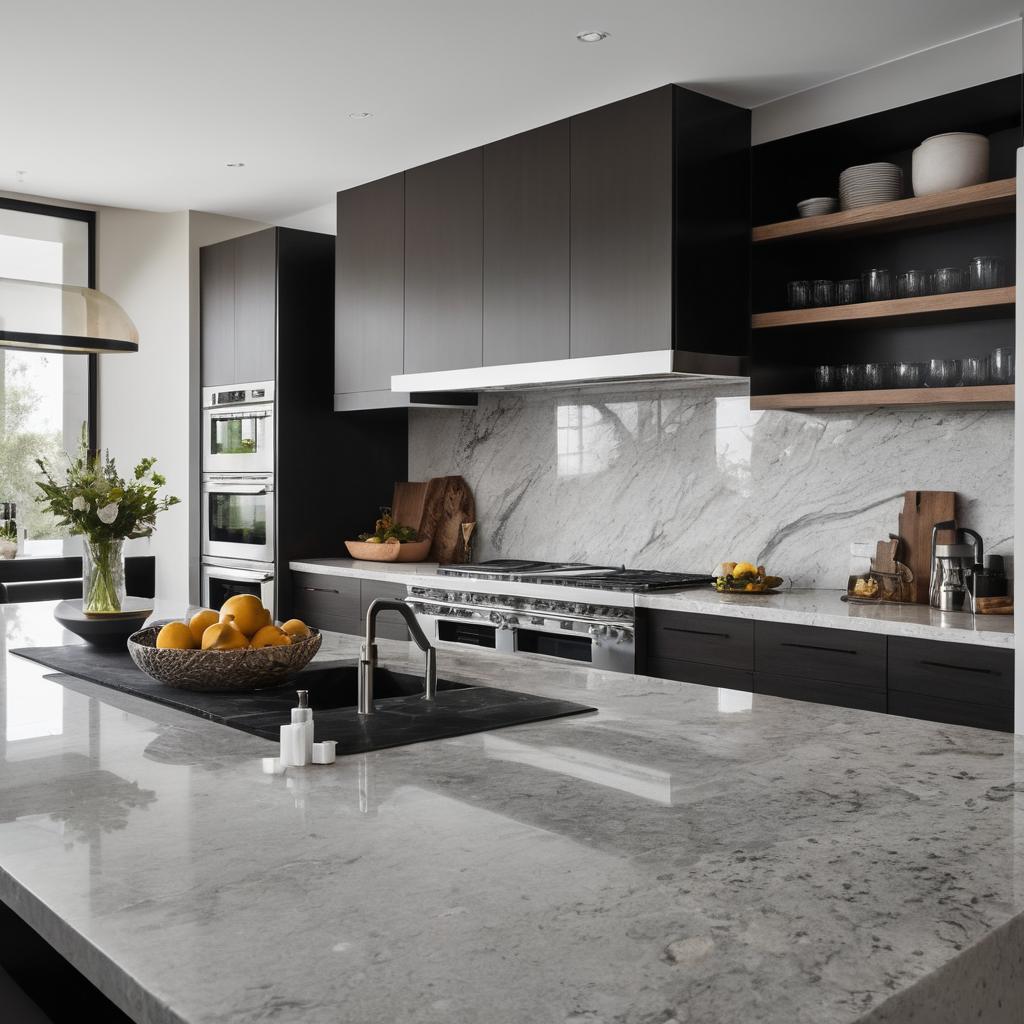
Granite Perfection: Weighing the Costs, Durability, and Aesthetics of High-End Kitchen Countertops
As homeowners continue to prioritize luxury and sophistication in their kitchen design, granite countertops have become a staple in high-end homes across the globe. With its unique patterns, durability, and heat resistance, it’s no wonder why many homeowners opt for this premium material when renovating or building their dream kitchens. However, as with any high-end feature, there are several pros and cons to consider before making a decision.
The Pros: Unparalleled Durability and Aesthetics
Granite countertops have long been the gold standard in kitchen design due to their exceptional durability and aesthetic appeal. With a lifespan of up to 20-30 years or more, granite can withstand even the most rigorous kitchen use, including hot pots and pans, sharp knives, and frequent spills. Its natural resistance to heat, scratches, and stains makes it an ideal choice for busy families or those who love cooking.
Furthermore, granite’s unique patterns and colors make each slab a one-of-a-kind masterpiece. The natural beauty of the stone is enhanced by its subtle veining and varied color palette, creating a truly bespoke look that elevates any kitchen to new heights. Whether you opt for a classic white Carrara, a rich black Absolute, or a vibrant green Santa Cecilia, granite countertops are sure to be the crowning jewel of your kitchen.
The Cons: High Cost and Maintenance
While granite’s durability and aesthetics make it an attractive choice, its high cost and maintenance requirements can be a significant deterrent for some homeowners. Granite countertops typically range in price from $60 to $150 per square foot, depending on the quality and origin of the stone. This means that a typical 12′ x 24′ kitchen island could cost upwards of $15,000, not including installation costs.
Moreover, granite requires regular maintenance to maintain its beauty and longevity. A sealer must be applied annually to prevent water spots and stains, which can add up over time. Additionally, the stone’s natural porosity makes it susceptible to etching, or dulling, from acidic substances like citrus juice and wine. This means that homeowners must take extra precautions when using these items in their kitchen, or risk damaging their investment.
Environmental Impact: The Dark Side of Granite
As concerns about sustainability and environmental impact grow, some have begun to question the eco-friendliness of granite countertops. While the stone itself is naturally durable and requires little maintenance, the mining process can be detrimental to local ecosystems. Granite is often quarried in developing countries, where lax regulations and poor labor practices can lead to environmental degradation and human rights abuses.
Furthermore, the transportation costs associated with importing high-quality granite from distant quarries contribute to greenhouse gas emissions and support an industry that prioritizes profit over people. This raises important questions about the sustainability of our kitchen design choices and the impact they have on our planet’s limited resources.
The Future of Kitchen Design: Alternative Options
As concerns about cost, maintenance, and environmental impact grow, homeowners are increasingly looking for alternative options to granite countertops. Some popular alternatives include:
- Quartz Countertops: Engineered quartz offers a durable, low-maintenance alternative to natural stone that’s also more affordable.
- Recycled Glass Countertops: Made from crushed glass and resin, these eco-friendly surfaces offer a unique aesthetic and reduced environmental impact.
- Butcher Block Countertops: Sustainable and budget-friendly, butcher block countertops are an attractive option for those who want the warmth of wood without the maintenance.
As homeowners become more discerning about their kitchen design choices, it’s likely that we’ll see a shift towards more sustainable, affordable, and durable alternatives to granite. Whether you opt for the classic elegance of granite or the modern appeal of quartz, one thing is clear: the future of kitchen design will prioritize both beauty and responsibility.
Conclusion
Granite countertops have long been the gold standard in high-end kitchen design, offering unparalleled durability and aesthetic appeal. However, their high cost and maintenance requirements make them less accessible to some homeowners. As concerns about sustainability and environmental impact grow, it’s essential to consider the pros and cons of granite countertops and explore alternative options that balance beauty with responsibility.
Whether you’re building your dream kitchen or renovating your existing one, take a moment to weigh the costs, durability, and aesthetics of granite countertops against these alternatives. In doing so, you’ll not only make an informed decision about your kitchen design, but also contribute to a more sustainable future for our planet.












The good old days of granite countertops. Remember when they were the epitome of luxury and sophistication in every high-end home? When a kitchen with granite countertops was the ultimate status symbol?
I recall my grandmother’s kitchen, where she installed those beautiful black Absolute slabs back in the 90s. The way the sunlight danced across their polished surface, creating an otherworldly glow that seemed almost magical. And the durability! Oh, the stories I’ve heard about how those countertops withstood countless cooking sessions, spills, and scratches without ever losing their luster.
But as I look around today’s kitchens, I’m struck by a sense of nostalgia for a time when things were simpler, when luxury wasn’t just about price tags but also about craftsmanship and tradition. Do we still value the same qualities in our kitchen design today? Or are we willing to sacrifice beauty and durability for the sake of sustainability and affordability?
What’s your take on the rise of alternative countertops like quartz and recycled glass? Are they truly a step forward, or are they just another sign of our increasingly disposable society?
The recent discovery that toxic algae blooms fueled by global warming may be responsible for the mysterious African elephant deaths of 2020 has left many wondering if the earth’s delicate ecosystem can withstand such devastating consequences. But have we stopped to consider the parallels between this tragic event and our own choices as consumers? For instance, in a time when sustainability is at the forefront of our minds, do we still justify the installation of high-cost, resource-intensive kitchen countertops like granite, which not only strain local ecosystems but also contribute to greenhouse gas emissions through transportation costs? One can’t help but ponder if the true cost of luxury goes beyond mere aesthetics. Consider this and ask yourself: are we willing to pay the price for beauty, or will we opt for a more responsible approach?