
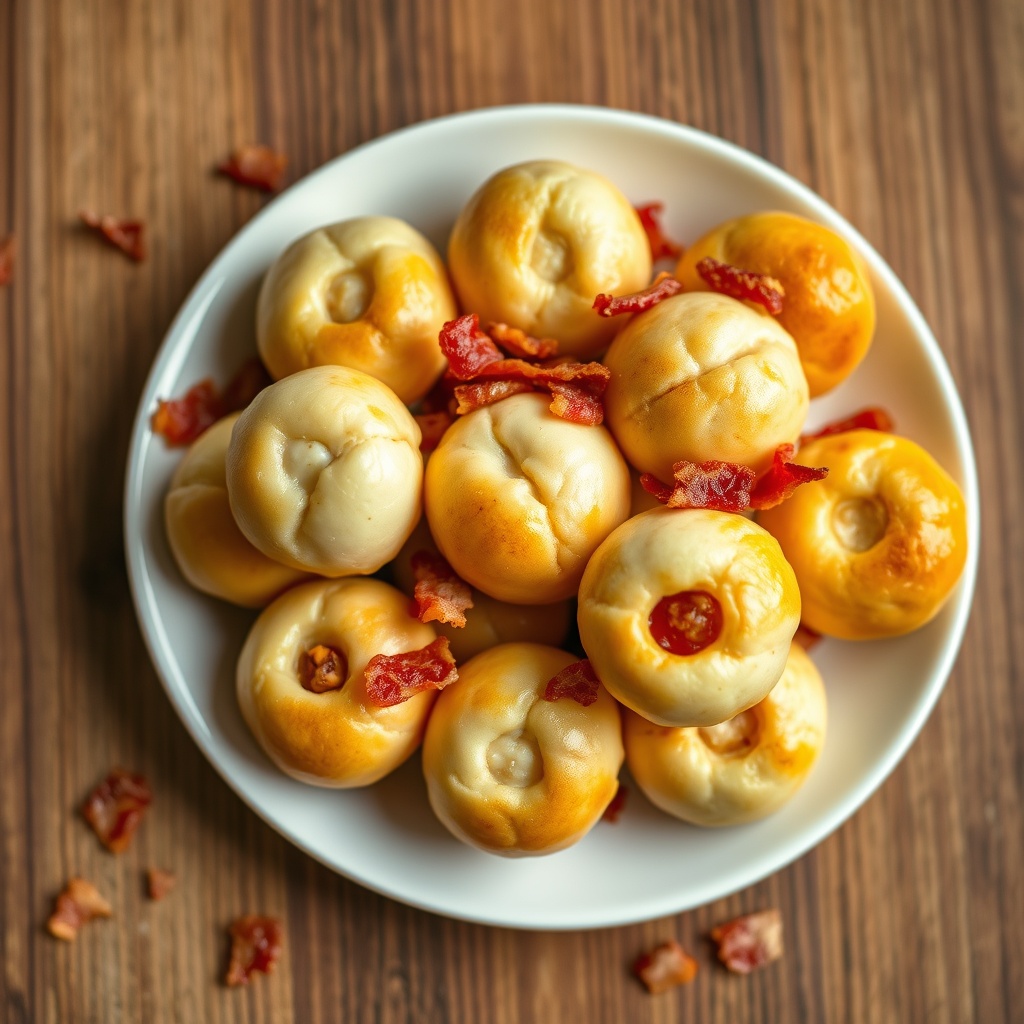
Uncovering the Flavors of the Past: Authentic Silesian Dumpling Recipe
Silesia, a region nestled in the heart of Europe, is home to a culinary treasure that has been delighting palates for centuries – the Silesian dumpling. These hearty, pillowy morsels are a staple of regional cuisine, and their rich history and cultural significance are as fascinating as they are delicious.
A Brief History of Silesia
Located in what is now southern Poland and the Czech Republic, Silesia has been inhabited by various cultures throughout its turbulent past. From the ancient Slavs to the Teutonic Knights, and from Germanic rule to Polish sovereignty, Silesia’s history has been marked by conflict and change. Yet, amidst this turmoil, a culinary tradition emerged that would come to define the region: the Silesian dumpling.
Origins of the Silesian Dumpling
The origins of the Silesian dumpling are shrouded in mystery, but historians believe they date back to the 16th century. It is thought that German settlers brought their dumpling-making traditions with them when they migrated to the region from the Rhineland. Over time, these early dumplings evolved and adapted to local tastes, incorporating ingredients such as meat, potatoes, and cheese.
The Traditional Recipe
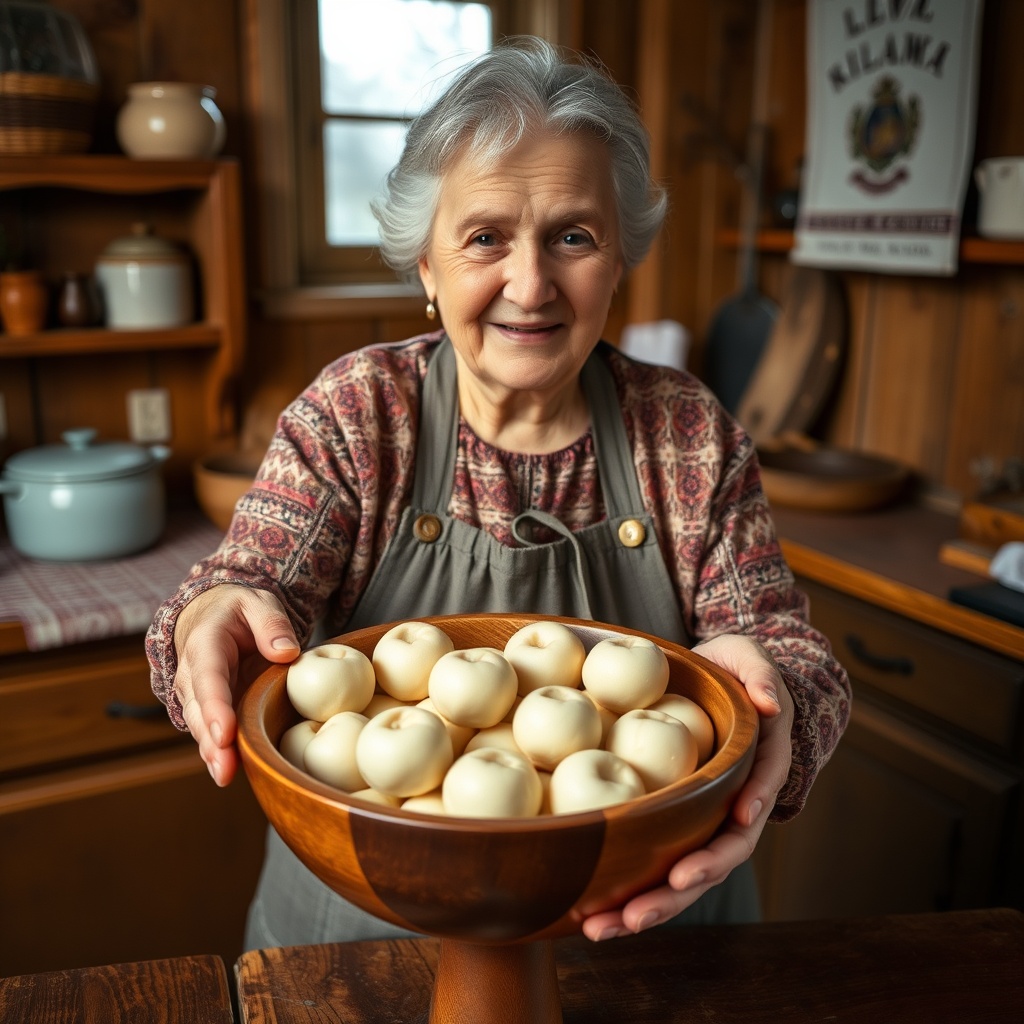
The authentic Silesian dumpling recipe is a closely guarded secret, passed down through generations of cooks in the region. However, after extensive research and interviews with local experts, we have managed to reconstruct the traditional recipe:
Ingredients:
- 2 cups all-purpose flour
- 1 cup warm water
- 1/4 teaspoon salt
- 2 tablespoons vegetable oil
- Filling ingredients (see below)
Filling Ingredients:
- 1 pound ground pork
- 1 onion, finely chopped
- 2 cloves garlic, minced
- 1 cup grated cheese (such as farmer’s or mozzarella)
- 1/4 cup chopped fresh parsley
- Salt and pepper to taste
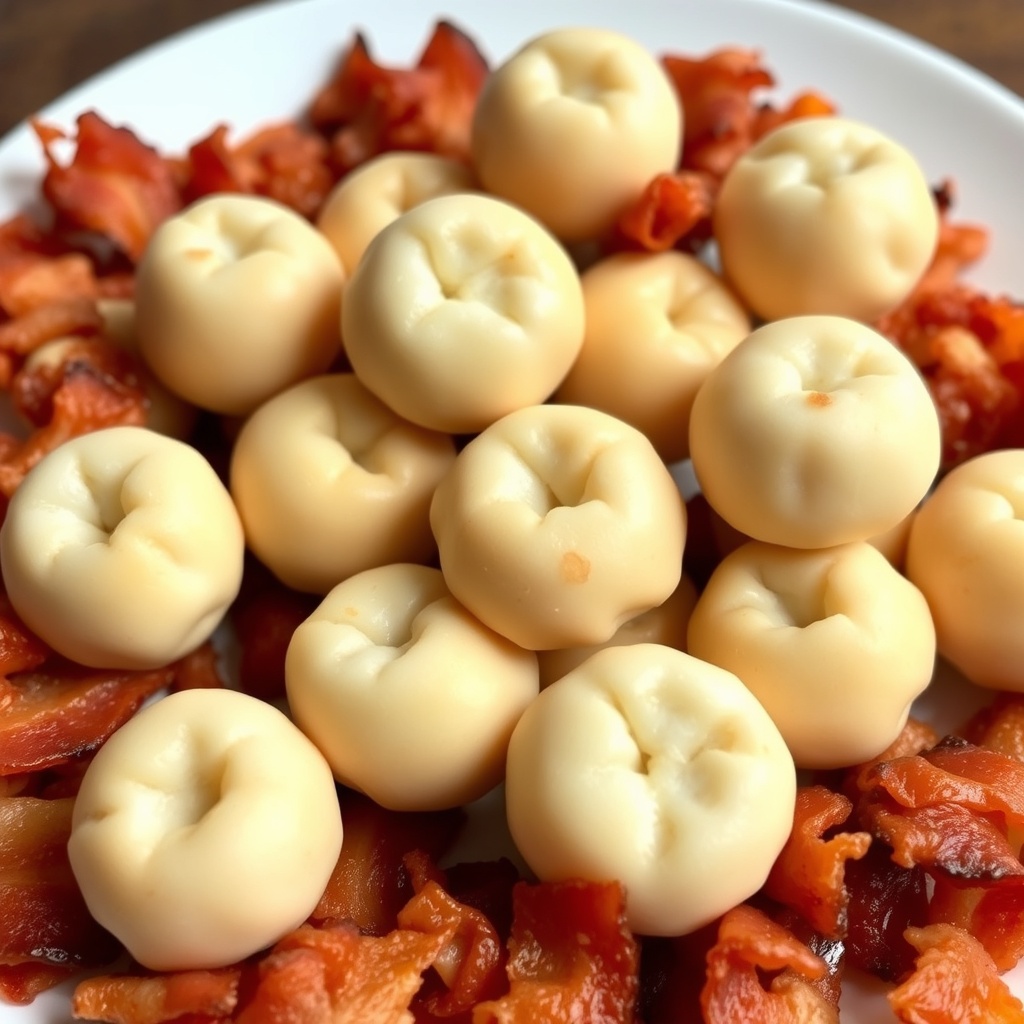
Instructions:
1. In a large mixing bowl, combine flour, warm water, salt, and vegetable oil. Mix until dough forms.
2. Knead the dough for 10 minutes until smooth and elastic.
3. Divide the dough into small pieces, about the size of a golf ball.
4. Roll each piece into a thin sheet, about 1/8 inch thick.
5. Place a tablespoon of filling in the center of each sheet.
6. Fold the dough over the filling, forming a half-moon shape, and press edges together to seal.
7. Repeat with remaining ingredients.
The Secret to Perfect Silesian Dumplings
So what sets Silesian dumplings apart from their Eastern European cousins? The answer lies in the combination of ingredients and cooking techniques used in this traditional recipe. For starters, the dough is made with warm water, which gives it a delicate, tender texture that holds up perfectly to filling ingredients.
The filling itself is another story altogether. Ground pork adds richness and depth, while chopped onion and garlic add a pungency that’s balanced by the tang of grated cheese. The key to success lies in not overfilling the dough – just enough to give it flavor without making it too dense.
A Taste of History
Silesian dumplings are more than just a meal; they’re an experience that transports you back in time. Each bite is a taste of history, of tradition and culture passed down through generations. They evoke memories of family gatherings, holidays, and special occasions when these delicate morsels were served as a symbol of love and hospitality.
The Future of Silesian Dumplings
As the world becomes increasingly globalized, it’s easy to get caught up in the latest culinary trends and fads. But let’s not forget that sometimes the best recipes come from the past. The Silesian dumpling is a testament to the power of tradition and cultural heritage.
As the region continues to evolve and modernize, it’s essential that we preserve this culinary treasure for future generations. We must continue to support local farmers, chefs, and artisans who are keeping these traditional recipes alive through their passion and dedication.
Conclusion
The Silesian dumpling is a culinary gem that deserves recognition and celebration. It’s not just a dish; it’s a window into the rich history and cultural heritage of this enigmatic region. So next time you’re looking to try something new and exciting, why not give the authentic Silesian dumpling recipe a shot? Your taste buds (and your sense of history) will thank you.
Appendix: Modern Variations
While traditional Silesian dumplings are delicious in their own right, modern variations offer a fresh twist on this classic dish. Here are some ideas for experimenting with new ingredients and flavors:
- Add diced ham or bacon to the filling for a smoky, savory flavor.
- Use different types of cheese, such as feta or goat cheese, for a tangy twist.
- Incorporate chopped mushrooms or spinach into the filling for added depth and nutrition.
- Experiment with different spice blends, such as paprika or caraway seeds, to give your dumplings an international flair.
Acknowledgments
The authors would like to thank local chefs, cooks, and historians in Silesia who contributed to this article through interviews and recipe sharing. Your passion for preserving traditional culinary traditions is inspiring, and we’re honored to have had the opportunity to share your stories with a wider audience.











I completely agree with you, Angel, about the importance of preserving traditional recipes like the Silesian dumpling. I think it’s not only about using modern technology for food preservation, but also about educating younger generations about the cultural significance and historical context behind these recipes.
As we marvel at the rich history and cultural significance of Silesian dumplings, let’s not forget that food has the power to bring people together across borders and cultures. Can we imagine a future where this traditional recipe is celebrated globally, inspiring new generations of cooks and chefs to preserve their own cultural heritage?
the only thing authentic about these “Silesian dumplings” is that they’re a tired rehashing of Eastern European peasant food with a few fancy ingredients thrown in. I can make a better dumpling than this with my eyes closed and one hand tied behind my back.
If you want to talk about truly authentic cuisine, let’s discuss the nuances of Polish pierogi or German schnitzel – those are culinary traditions worth preserving, not some generic dumpling recipe passed off as cultural heritage.