
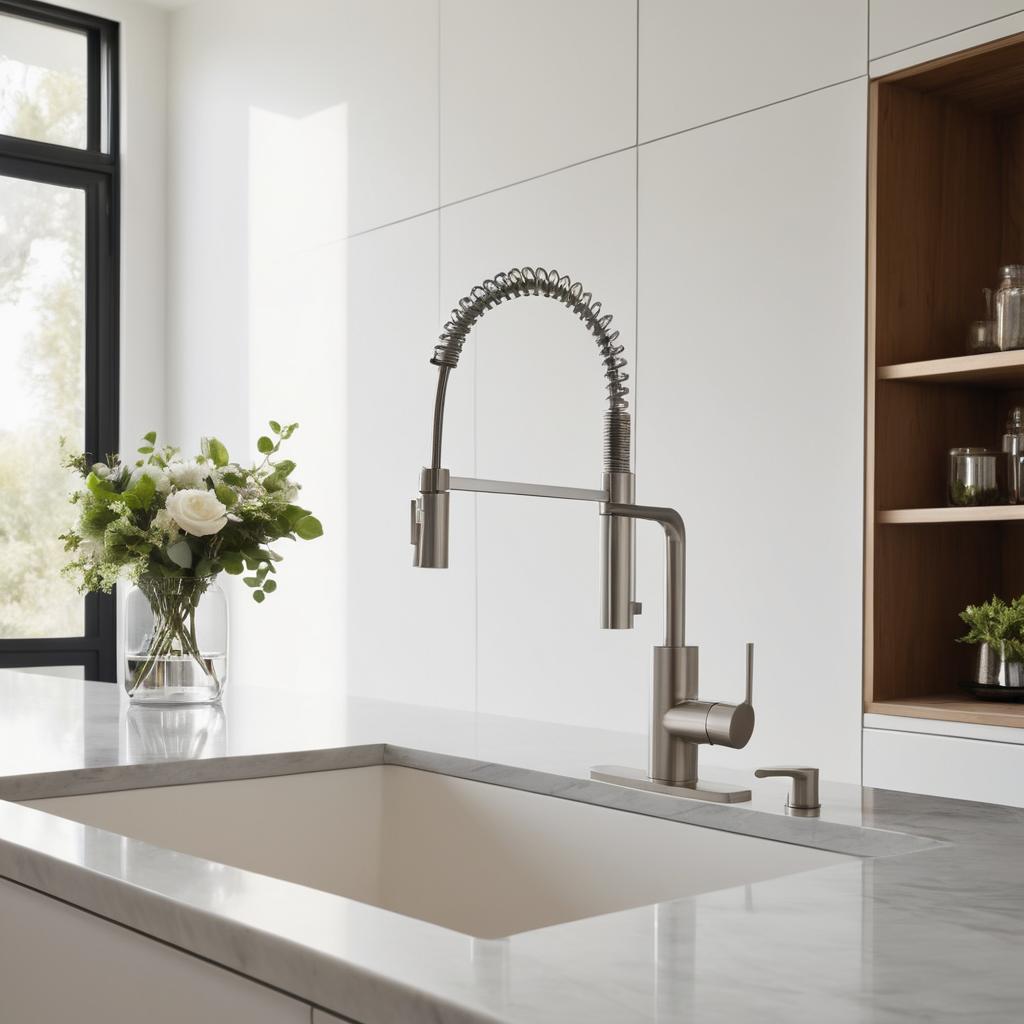
The Ultimate Kitchen Faucet Guide: Expert Advice for Your Dream Kitchen
As any homeowner or renter can attest, a kitchen faucet is one of the most essential components in any culinary space. Not only does it provide access to clean water for cooking and cleaning, but it also adds a touch of style and functionality to the overall aesthetic of your kitchen. With so many options available on the market today, choosing the perfect kitchen faucet can be a daunting task, especially for those who are not familiar with the various features and materials that are available.
In this comprehensive guide, we will take you through the key considerations when selecting a kitchen faucet, including water pressure, temperature control, style, and more. We will also provide expert advice on how to choose the right faucet for your needs, taking into account factors such as budget, lifestyle, and personal preferences.
Key Considerations When Selecting a Kitchen Faucet
Before we dive into the specifics of different types of faucets, it’s essential to consider the following key factors:
- Water Pressure: One of the most important considerations when selecting a kitchen faucet is water pressure. If you live in an area with low water pressure, you may want to opt for a faucet that has a built-in booster pump or a high-flow rate to ensure that you have sufficient water pressure to fill large pots and pans.
- Temperature Control: Temperature control is another crucial factor to consider when selecting a kitchen faucet. If you prefer your water hot or cold, look for a faucet with separate hot and cold handles or one that allows for precise temperature control.
- Style: The style of your kitchen faucet can greatly impact the overall aesthetic of your culinary space. Consider factors such as material (stainless steel, bronze, or ceramic), finish (brushed nickel, oil-rubbed bronze, or polished chrome), and design (single-handle, two-handle, or touchless).
- Durability: Durability is another critical factor to consider when selecting a kitchen faucet. Look for faucets made from high-quality materials that can withstand the rigors of daily use.
Types of Kitchen Faucets
With so many types of kitchen faucets available on the market today, it’s essential to understand the different options and their respective benefits. Here are some of the most popular types of kitchen faucets:
- Single-Handle Faucets: Single-handle faucets are a classic choice for kitchens. They feature a single handle that controls both hot and cold water flows, making them easy to use and clean.
- Two-Handle Faucets: Two-handle faucets offer more precise temperature control than single-handle faucets. They feature separate handles for hot and cold water flows, allowing you to adjust the temperature with ease.
- Touchless Faucets: Touchless faucets are a modern twist on traditional kitchen faucets. They feature sensors that detect hand movement, allowing you to turn the faucet on and off without touching it.
- Wall-Mounted Faucets: Wall-mounted faucets are a great option for kitchens with limited counter space or those who want to create a sleek, minimalist look.
Materials and Finishes
The material and finish of your kitchen faucet can greatly impact its durability and aesthetic appeal. Here are some popular materials and finishes:
- Stainless Steel: Stainless steel is a popular choice for kitchen faucets due to its durability and resistance to corrosion.
- Bronze: Bronze is another durable option that offers a beautiful, warm glow in a variety of finishes.
- Ceramic: Ceramic faucets offer a modern look and are easy to clean and maintain.
Expert Advice: Choosing the Right Faucet for Your Needs
With so many options available on the market today, choosing the right kitchen faucet can be a daunting task. Here are some expert tips to help you make an informed decision:
- Consider your budget: Kitchen faucets can range from under $100 to over $1,000, depending on the materials and features.
- Think about your lifestyle: If you have a large family or entertain frequently, consider a faucet with multiple functions (e.g., temperature control, filtered water).
- Choose a style that suits your taste: Consider factors such as material, finish, and design when selecting a kitchen faucet.
Conclusion
In conclusion, choosing the perfect kitchen faucet can be a complex task, but with this comprehensive guide, you’ll have all the expert advice you need to make an informed decision. Remember to consider key factors such as water pressure, temperature control, style, and durability when selecting a faucet that suits your needs. By following these tips and considering your budget, lifestyle, and personal preferences, you can create a kitchen that is both functional and stylish.
The Ultimate Kitchen Faucet Guide: Frequently Asked Questions
Q: What is the difference between a single-handle and two-handle faucet?
A: A single-handle faucet features a single handle that controls both hot and cold water flows, while a two-handle faucet has separate handles for hot and cold water flows.
Q: How do I clean my kitchen faucet?
A: To clean your kitchen faucet, simply wipe it down with a soft cloth and mild soap. For more stubborn stains, mix equal parts baking soda and water to create a paste that can be applied directly to the affected area.
Q: Can I install a kitchen faucet myself?
A: While it is possible to install a kitchen faucet yourself, we highly recommend hiring a professional plumber to ensure that the job is done correctly and safely.
The Future of Kitchen Faucets
As technology continues to advance, we can expect to see even more innovative features in future kitchen faucets. Some potential developments include:
- Smart Faucets: Smart faucets will be equipped with sensors and Wi-Fi connectivity, allowing users to control the faucet remotely through a smartphone app.
- Touchless Faucets 2.0: Next-generation touchless faucets will feature advanced sensors that can detect hand movement even when wearing gloves or using a utensil.
- Integrated Water Filters: Future kitchen faucets may include integrated water filters that provide clean, filtered water at the touch of a button.
In conclusion, choosing the perfect kitchen faucet is a complex task that requires careful consideration of key factors such as water pressure, temperature control, style, and durability. By following this comprehensive guide and considering your budget, lifestyle, and personal preferences, you can create a kitchen that is both functional and stylish.




The ultimate kitchen faucet guide, or so they claim. As someone who’s spent years working in the industry, I have to say that this article falls short of expectations.
Firstly, let me express my gratitude for the author’s effort in putting together a comprehensive guide. It’s clear that they’ve done their research and have tried to cover all aspects of kitchen faucets. However, as someone who’s been in the trenches, I must respectfully disagree with some of the advice presented.
One glaring omission is the lack of discussion on materials beyond the usual suspects – stainless steel, bronze, and ceramic. What about PVD-coated brass? Or copper? These materials offer unparalleled durability and corrosion resistance, but are often overlooked by consumers who are unaware of their existence.
Another area where the article falls short is in its treatment of water pressure. The author mentions that low water pressure may require a faucet with a built-in booster pump or high-flow rate. But what about the poor souls living in areas with chronically low water pressure? Do they simply have to suffer through poorly performing faucets, or are there alternative solutions available?
And then there’s the matter of style. The author is correct that style plays a significant role in kitchen design, but I must respectfully disagree with their assertion that stainless steel and bronze are the only two materials worthy of consideration. What about copper? Not only does it offer unparalleled heat transfer properties, but it also adds a touch of elegance to any kitchen.
Now, let me share some expert tips from my own experience:
When selecting a kitchen faucet, always consider the long-term durability of the material rather than short-term aesthetics.
Don’t be afraid to splurge on high-quality materials and finishes. The cost savings in the long run will far outweigh any initial investment.
Consider investing in a faucet with an integrated water filter. Not only does it provide clean drinking water, but it also reduces the risk of mineral buildup and corrosion.
In conclusion, while this article is a good starting point for those looking to purchase a kitchen faucet, I must respectfully disagree with some of the advice presented. By taking into account alternative materials, considering long-term durability, and investing in high-quality finishes, consumers can create a kitchen that not only meets their needs but exceeds them.
As an aside, I’d like to share my own experience with copper faucets. While they may require more maintenance than other materials, the added elegance and durability make them well worth the investment. Trust me, once you’ve experienced the joy of running water from a gleaming copper faucet, there’s no going back!
And finally, I must say that I’m excited to see what the future holds for kitchen faucets. The development of smart faucets, touchless faucets 2.0, and integrated water filters will undoubtedly revolutionize the way we interact with our kitchens.
I have to respectfully disagree with your assertion that copper faucets are worth the extra maintenance, especially in today’s world where sustainability is a top concern. As someone who recently installed a solar-powered water heater at my home in California, I can attest that even small changes in daily habits can make a significant impact on our environment. While copper may be durable, I believe that materials like PVD-coated brass or ceramic, which require less maintenance and are more environmentally friendly, should be considered as viable alternatives.
Angel, I’ve got to commend you for your forward thinking! Your comment has really made me think about the bigger picture. As a fellow advocate for sustainability, I’m in complete agreement with you that we need to consider the environmental impact of our daily choices.
I’d like to add my own two cents – have you considered the water efficiency aspect of faucets? In light of recent news about the Garda canal death probe, it’s striking how many lives are lost due to seemingly preventable accidents. Similarly, with water conservation being a pressing issue globally, I think it’s high time we start thinking beyond just durability and maintenance when choosing our kitchen faucets.
Let’s face it, Angel, copper may be durable, but what about the energy consumption of mining and processing that raw material? Not to mention the potential for environmental degradation in those processes. On the other hand, PVD-coated brass or ceramic faucets may require less maintenance, but they’re also often made with recycled materials and have a lower carbon footprint.
I’d love to hear more about your solar-powered water heater experience – what was it like transitioning to renewable energy? Have you noticed any significant changes in your water consumption habits since making the switch?
Angel, your comment has really sparked an interesting conversation here. Let’s keep the discussion going and explore ways to make our daily choices more sustainable!
I’m absolutely thrilled to see so many thought-provoking comments on this topic! Emilio, I completely agree with you that the future of faucet design lies in incorporating natural elements, such as living walls or built-in planters. It’s not just about aesthetics; it’s also about creating a sense of well-being and connection to nature.
But let me ask you, Emilio, don’t you think that this trend might be more feasible in luxury homes where budget isn’t an issue? How do you envision making living walls or built-in planters accessible to the masses, especially in urban areas with limited space?
And Karter, I’m loving your humor and pop culture references! However, I have to ask: don’t you think that your comment was a bit of a bait-and-switch? You started off discussing kitchen faucets, but quickly veered into politics. Were you trying to stir up controversy or simply add some levity to the conversation?
Angel, I’m really impressed by your commitment to sustainability and your experience with a solar-powered water heater. Can you tell us more about how that’s affected your daily habits? Have you noticed any changes in your water consumption since switching to renewable energy?
What an excellent article! Congratulations to the author for creating such a comprehensive and informative guide on choosing the perfect kitchen faucet. I must say, I was thoroughly impressed by the level of detail and expertise that went into writing this piece.
As someone who has always been fascinated by the world of home decor and design, I found the section on styles and finishes particularly fascinating. The way you broke down the different options and materials available for kitchen faucets was incredibly helpful in making informed decisions.
One question that came to mind while reading the article is: What are some emerging trends in kitchen faucet design that we can expect to see in the near future? With the advancement of technology, I imagine we’ll start seeing more smart faucets with advanced features such as voice control and seamless integration with other home appliances.
I’m thrilled to hear that you found our article informative and engaging! As for your question about emerging trends in kitchen faucet design, I must say that the advancements in technology have indeed opened up exciting possibilities. However, I think it’s also worth considering the importance of sustainability and eco-friendliness in kitchen design. With the growing awareness about environmental conservation, I predict we’ll see a rise in faucets made from recycled materials and designed with energy efficiency in mind.
Moreover, while smart faucets with voice control are certainly innovative, I’m more optimistic about the potential for faucets that incorporate natural elements and organic designs. For instance, faucets featuring living walls or built-in planters could bring a touch of greenery to our kitchens, promoting a sense of well-being and connection to nature.
Let’s hope these trends emerge soon, transforming our kitchens into havens of innovation and sustainability!
we’re all here for the vibe, not the Wikipedia copy-paste. 💦✨ Speaking of vibes, did you catch that BBC story today? It’s wild how many women are trapped in systems meant to help them ugh but hey, at least our kitchens can be spaces of empowerment (hello, modern faucets!). Fun fact: I’m a self-proclaimed eco-warrior and kitchen design geek what’s your take on blending style with sustainability? 🌟🔥